
I remember the panic I felt when my beautiful blue betta, usually so vibrant, became sluggish, refused to eat, and just sat at the bottom of his tank. I racked my brain trying to figure out what was wrong.
Was it disease? Bad water? It wasn’t until I started researching that I had a stark realization: the answer to “do I need a heater for a betta fish?” is an overwhelming yes.
For weeks, I had unknowingly subjected him to temperatures that were causing him harm. It took over a week of consistent warmth for my little guy to finally perk up, start eating again, and regain his playful personality. That experience taught me a crucial lesson: a heater isn’t an optional accessory for a betta; it’s essential life support.
Key Takeaways
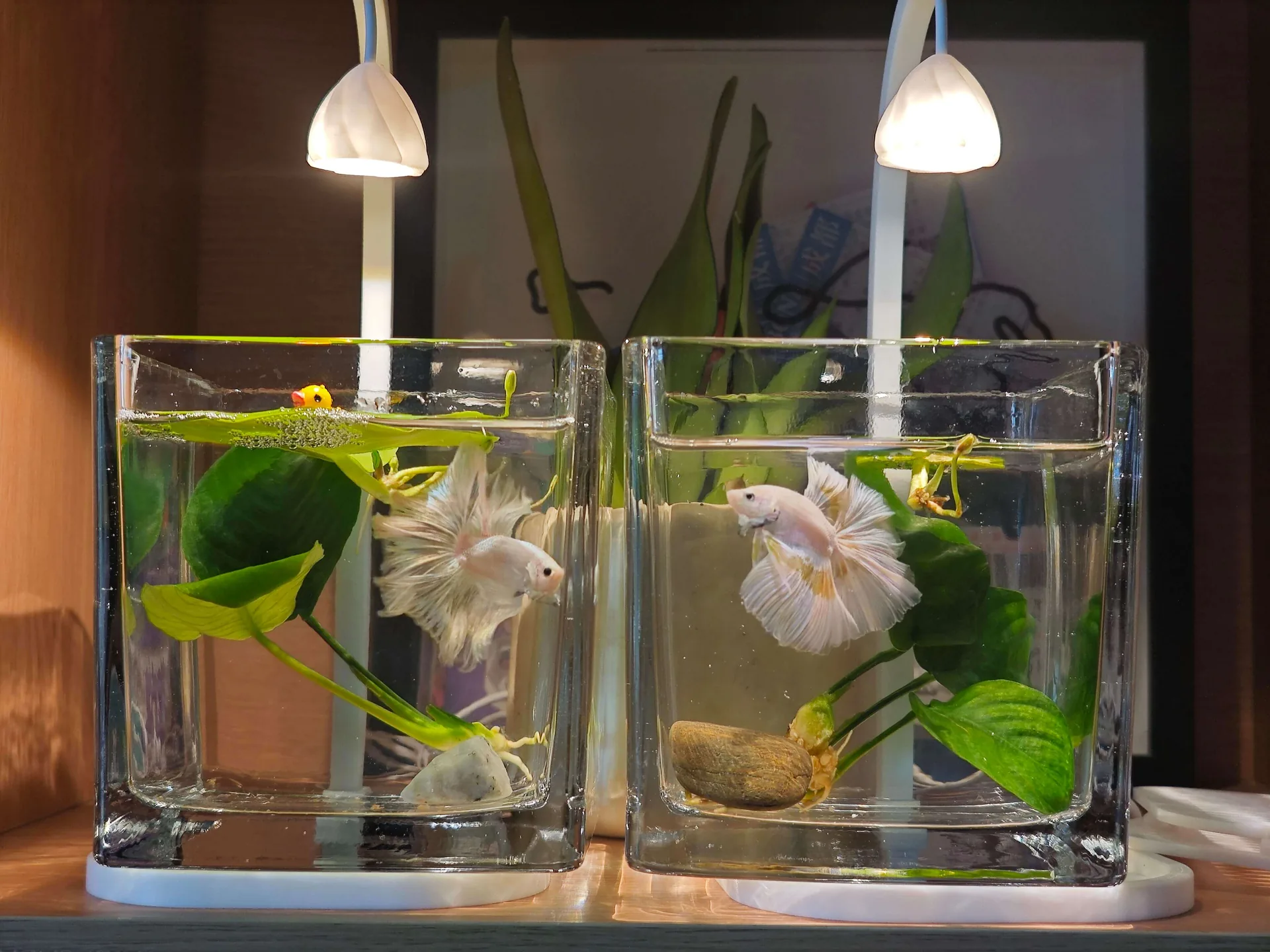
- Betta fish are tropical and require a heater to maintain a stable water temperature between 78-80°F (25.5-26.5°C).
- Water that is too cold causes stress, lethargy, a weakened immune system, and can ultimately be fatal for a betta.
- When choosing a heater, a good guideline is 3-5 watts per gallon of tank size (e.g., a 25-watt heater for a 5-gallon tank).
- Always use a separate, reliable thermometer to verify the water temperature, as the thermostats built into heaters can be inaccurate.
Why Bettas Need Consistent Warmth
Many new owners assume that room temperature is sufficient for a betta, but this is a common and dangerous misconception. The fish we know as bettas, or Siamese fighting fish, are scientifically known as Betta splendens. They originate from the warm, shallow waters of rice paddies and streams in Southeast Asia, where the water is consistently warm.
Your home’s ambient temperature can fluctuate by 10°F or more throughout the day and night. For a small fish in a small tank, these swings are stressful and harmful. The ideal temperature range for a betta is a stable 78-80°F (25.5-26.5°C). Maintaining this temperature is crucial for their health, activity levels, and vibrant coloration.
5 Warning Signs Your Betta is Too Cold
If you suspect your betta’s tank is too cold, watch for these common signs of temperature stress. Recognizing them early can help you correct the environment before serious health issues arise.
1. Lethargy
One of the most immediate signs is a lack of activity. A cold betta will often lie motionless at the bottom of the tank or on a leaf for long periods. This happens because their Metabolism slows down significantly in cooler water, leaving them with little energy to swim or explore.
2. Loss of Appetite
When a betta’s body temperature drops, its digestive system slows down. This often leads to a complete loss of appetite. Your fish might ignore food entirely or take it into its mouth only to spit it back out. This isn’t picky eating; it’s a sign their body can’t properly process food.
3. Clamped Fins
A healthy, comfortable betta typically holds its fins open and fanned out. A stressed betta, however, will often clamp its fins tightly against its body. This is a general sign of discomfort and an attempt to conserve energy.
4. Faded Colors
Bettas are known for their brilliant colors. If your fish’s once-vibrant hues begin to look dull, muted, or pale, it’s a strong indicator of stress, often linked to improper water temperature.
5. Excessive Hiding
While bettas appreciate having hiding spots, a fish that is constantly hiding and shows little interest in its surroundings may be feeling unwell. A cold betta often feels vulnerable and will retreat to feel more secure.
How to Choose the Right Heater for Your Betta
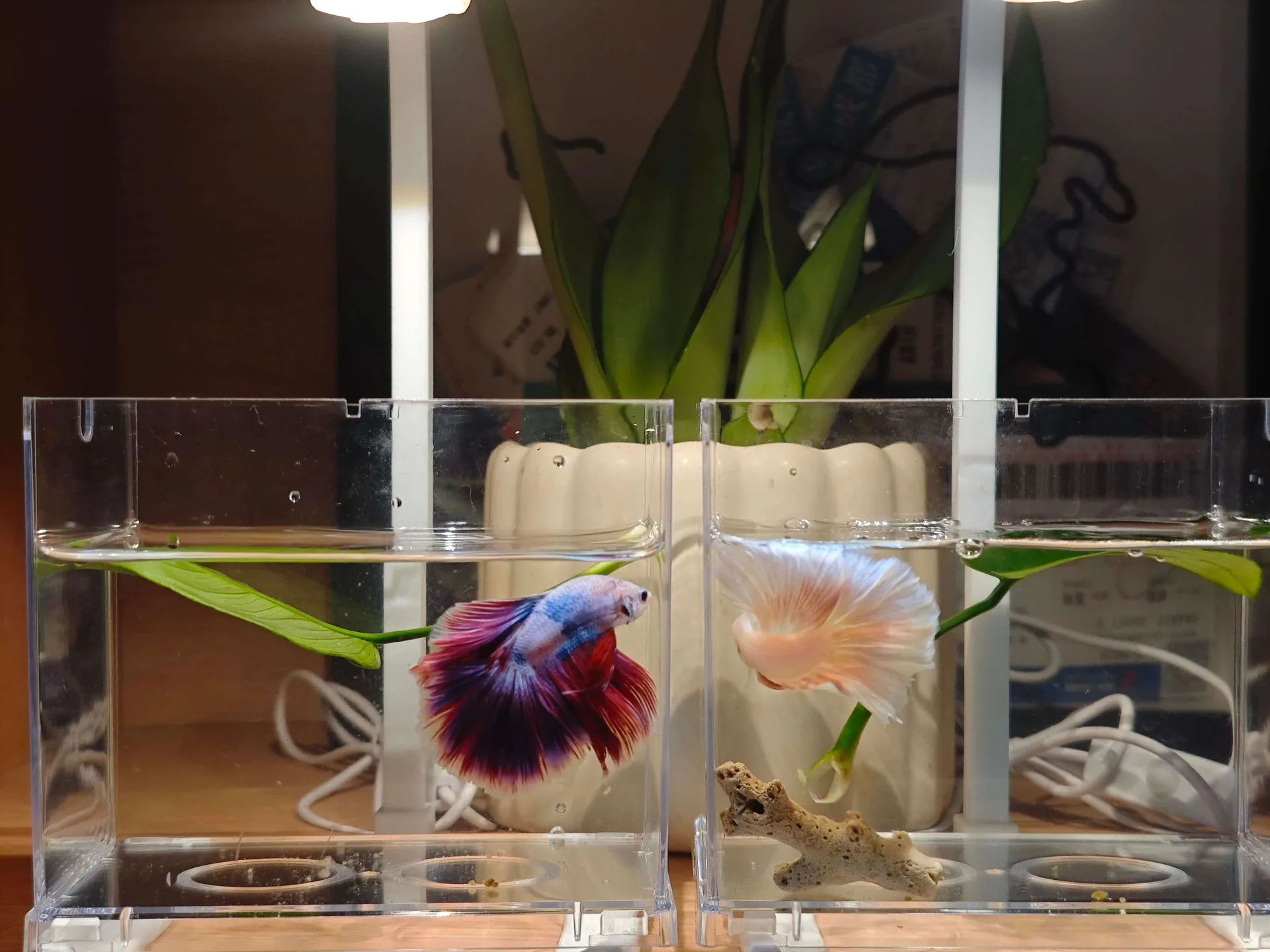
Selecting the right heater ensures your betta gets consistent warmth without the risk of overheating. The most important factor is choosing the correct wattage for your tank size. The general rule is 3 to 5 watts per gallon.
- For a 2.5-gallon tank: A 10-15 watt heater is suitable.
- For a 5-gallon tank: A 25-watt heater is the standard choice.
- For a 10-gallon tank: A 50-watt heater is recommended.
Here’s a quick comparison of common heater types:
| Heater Type | Best For (Tank Size) | Temperature Control | Average Cost |
|---|---|---|---|
| Preset Submersible | 2.5-5 gallons | Fixed (e.g., 78°F), no adjustment | Low ($10-$20) |
| Adjustable Submersible | 5-10+ gallons | User-adjustable dial (e.g., 68-90°F) | Mod ($15-$35) |
For most betta setups (5 gallons or more), an adjustable submersible heater offers the best control and reliability.
Setting Up Your New Heater Safely
Proper installation is just as important as choosing the right model. Follow these steps to ensure your betta’s safety:
- Read the Instructions: Always start by reading the manufacturer’s specific instructions for your heater model.
- Rinse the Heater: Gently rinse the heater with plain water (no soap) to remove any dust from packaging.
- Install in the Tank: Place the heater in your tank near an area with good water flow, such as near the filter output. This helps distribute the heat evenly. Do not plug it in yet.
- Wait 30 Minutes: Let the heater acclimate to the water temperature for at least 30 minutes. Plugging in a cold heater can cause the glass to crack from a sudden temperature change.
- Plug It In and Set the Temp: After waiting, plug the heater in and set it to your target temperature (78-80°F).
- Monitor Closely: Use a separate, reliable thermometer placed on the opposite side of the tank from the heater. Check it frequently over the next 24 hours to ensure the heater is working correctly and maintaining a stable temperature. Adjust as needed.
Important: When introducing a heater to a cold tank, raise the temperature gradually (no more than 2°F per hour) to avoid causing Thermal shock, which can be fatal.
Frequently Asked Questions
Can a betta fish survive without a heater?
While a betta might survive for a short time in a cool room, it will be in a constant state of stress. This weakens its immune system, making it susceptible to disease and drastically shortening its lifespan. Keeping a betta without a heater is generally considered inhumane.
What size heater do I need for a 5-gallon betta tank?
A 25-watt heater is the standard and most effective choice for a 5-gallon tank. It provides enough power to maintain a stable temperature without being excessive.
Should I turn my betta heater off at night or in the summer?
No. The heater’s job is to maintain a stable temperature, not just to heat the water. It has a built-in Thermostat that will automatically turn the heating element on and off as needed to prevent the water from getting too cool or too warm. Turning it off manually causes the stressful temperature fluctuations you are trying to avoid.
How do I know if my betta fish heater is broken?
The most reliable way is to use a separate thermometer. If the tank’s temperature is consistently much higher or lower than the heater’s setting, or if the indicator light never turns on or off, the heater is likely faulty and should be replaced immediately.
Conclusion
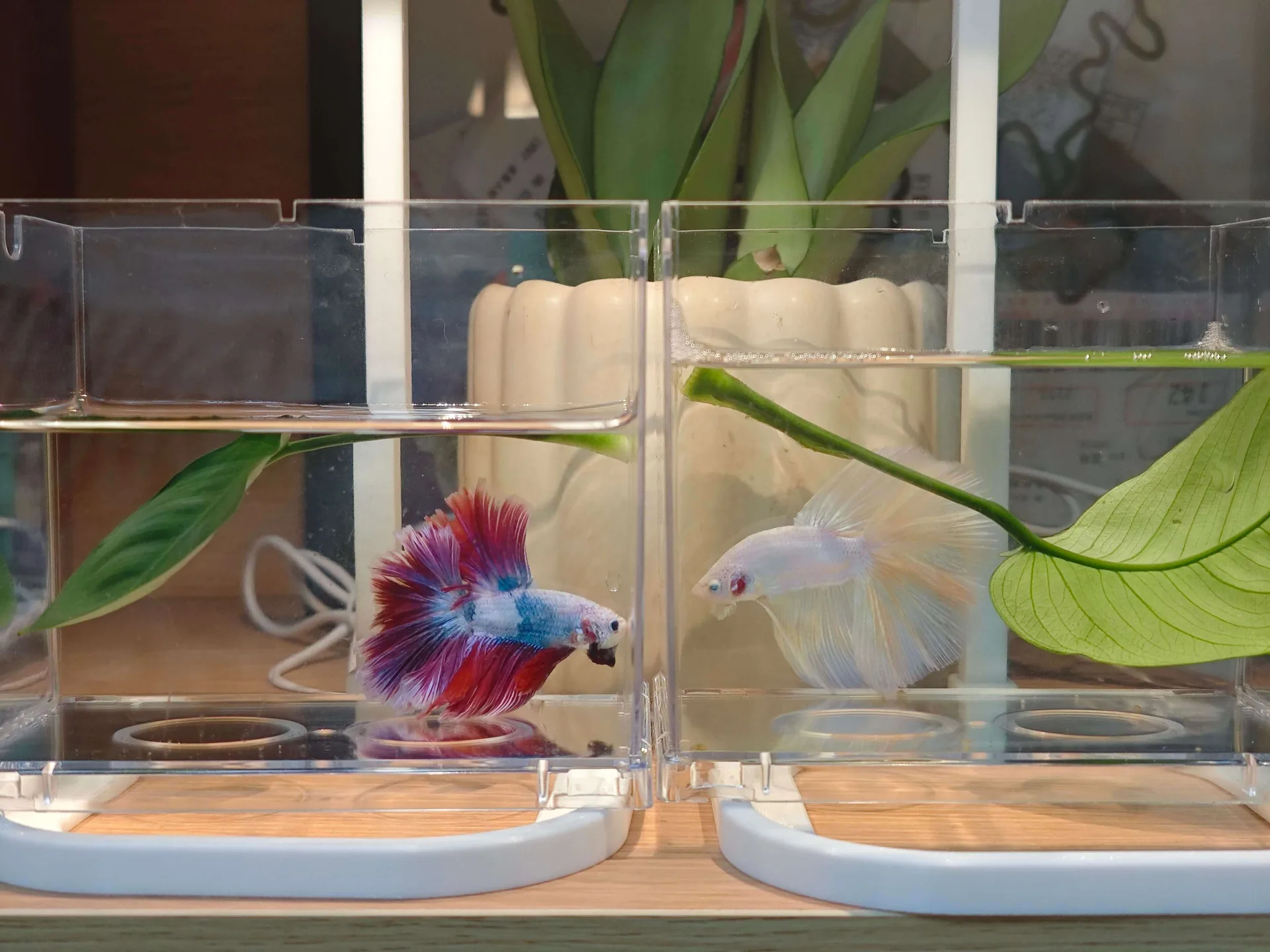
A heater is a small, one-time investment that is essential for the long-term health and happiness of your betta fish. By choosing the right size heater, installing it safely, and always monitoring the temperature with a separate thermometer, you provide the stable, warm environment your pet needs to thrive. The reward is a vibrant, active, and healthy companion for years to come.
If you found this helpful, you might also want to check out my other post:
How To Soften Aquarium Water Naturally: A Simple Step-by-Step Guide 2026
How Long Can Fish Go Without Food? (Vacation Survival Guide + Chart)

Marine Biologist | Aquatech Innovator
Coral reef conservation, Water monitoring, marine biologist